• 0
  • 2
  • 3
  • 4

Vol 9 Issue 12

£45.00

Category:

This product is relevant to the following:

Material:

Other:


Warning: Attempt to read property "name" on array in /var/www/vhosts/nixenepublishing.com/httpdocs/wp-content/themes/pivotaltheme5.2/woocommerce/content-single-product.php on line 77
,
Warning: Attempt to read property "name" on array in /var/www/vhosts/nixenepublishing.com/httpdocs/wp-content/themes/pivotaltheme5.2/woocommerce/content-single-product.php on line 77
,

Locations:

Markets:

Applications:

Product Types:

Technologies:

Description

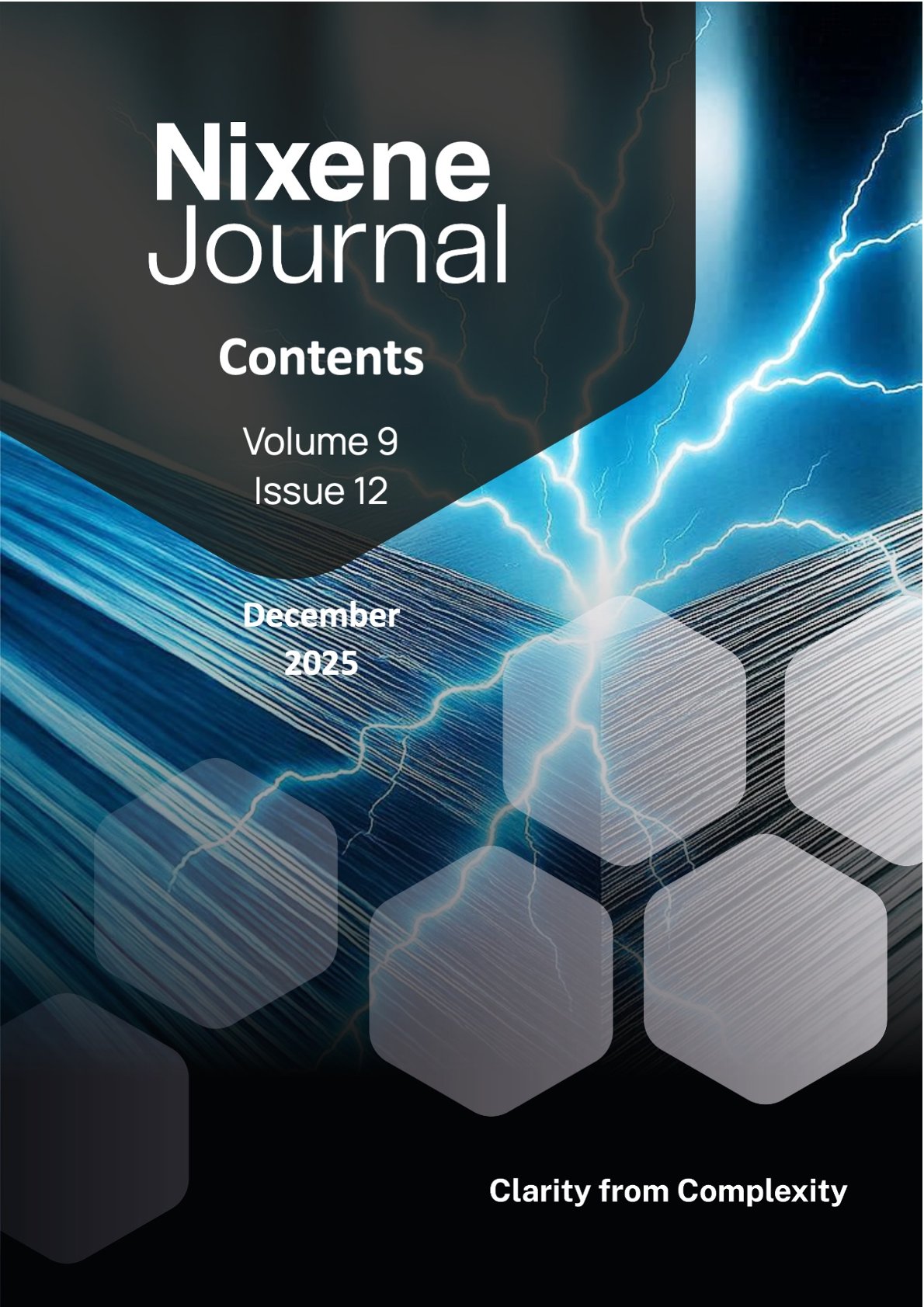
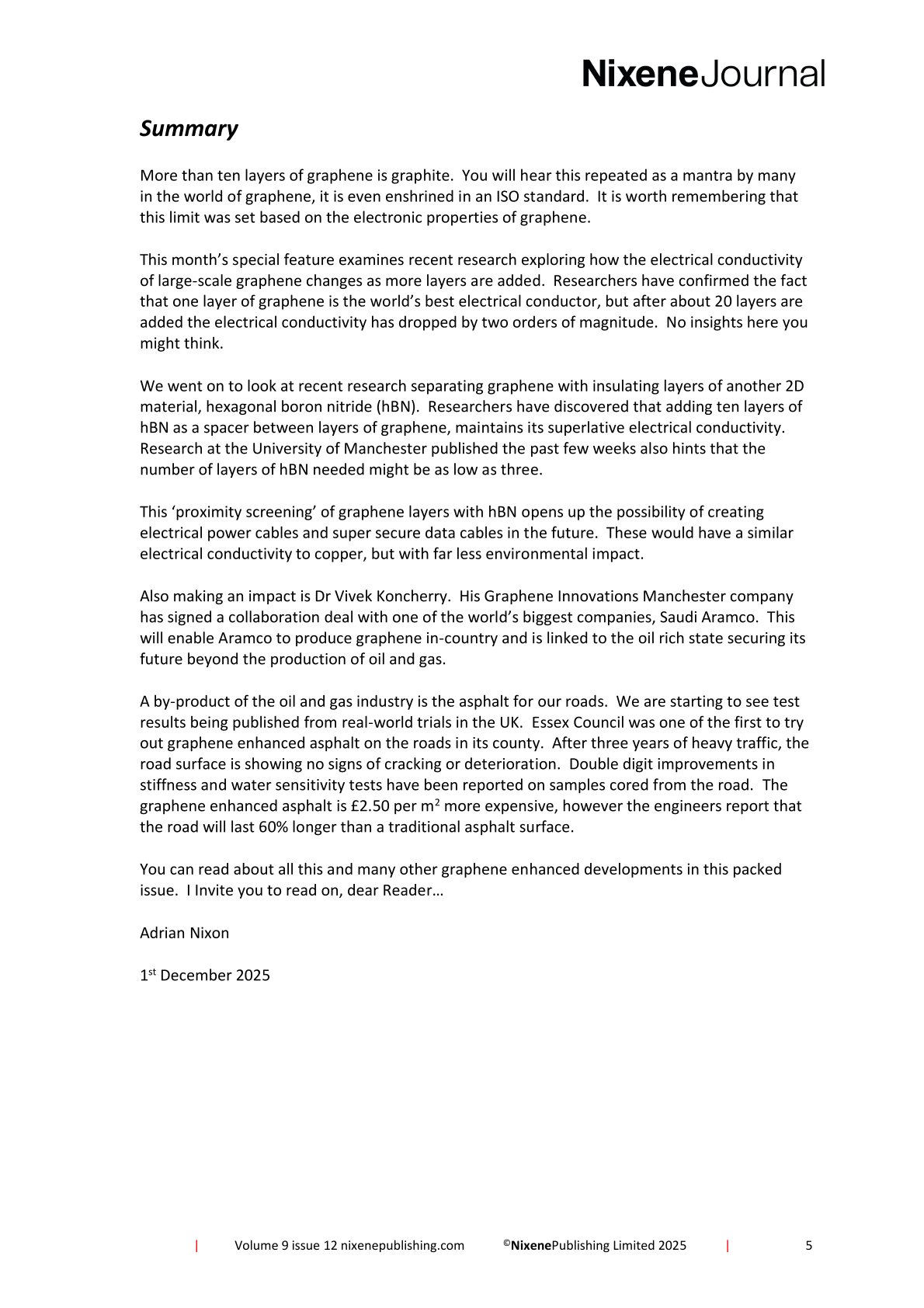
More than ten layers of graphene is graphite. You will hear this repeated as a mantra by many in the world of graphene, it is even enshrined in an ISO standard. It is worth remembering that this limit was set based on the electronic properties of graphene.

This month’s special feature examines recent research exploring how the electrical conductivity of large-scale graphene changes as more layers are added. Researchers have confirmed the fact that one layer of graphene is the world’s best electrical conductor, but after about 20 layers are added the electrical conductivity has dropped by two orders of magnitude. No insights here you might think.

We went on to look at recent research separating graphene with insulating layers of another 2D material, hexagonal boron nitride (hBN). Researchers have discovered that adding ten layers of hBN as a spacer between layers of graphene, maintains its superlative electrical conductivity. Research at the University of Manchester published the past few weeks also hints that the number of layers of hBN needed might be as low as three.

This ‘proximity screening’ of graphene layers with hBN opens up the possibility of creating electrical power cables and super secure data cables in the future. These would have a similar electrical conductivity to copper, but with far less environmental impact.

Also making an impact is Dr Vivek Koncherry. His Graphene Innovations Manchester company has signed a collaboration deal with one of the world’s biggest companies, Saudi Aramco. This will enable Aramco to produce graphene in-country and is linked to the oil rich state securing its future beyond the production of oil and gas.

A by-product of the oil and gas industry is the asphalt for our roads. We are starting to see test results being published from real-world trials in the UK. Essex Council was one of the first to try out graphene enhanced asphalt on the roads in its county. After three years of heavy traffic, the road surface is showing no signs of cracking or deterioration. Double digit improvements in stiffness and water sensitivity tests have been reported on samples cored from the road. The graphene enhanced asphalt is £2.50 per m2 more expensive, however the engineers report that the road will last 60% longer than a traditional asphalt surface.

You can read about all this and many other graphene enhanced developments in this packed issue. I Invite you to read on, dear Reader…

Adrian Nixon
1st December 2025